Childcare providers play one of the most important roles in any community. Parents trust them to care for children, support early development, and provide a safe environment throughout the day. In Irvine, where thousands of families rely on childcare centers, preschools, after-school programs, and in-home childcare services, safety remains a top priority for both providers and parents.
While most days are filled with learning, play, and routine activities, childcare professionals understand that emergencies can happen unexpectedly. A child may experience an allergic reaction, choking incident, breathing difficulty, injury, seizure, or another medical emergency that requires immediate attention. Because young children are often unable to fully communicate symptoms or explain what they are experiencing, childcare staff must remain alert and prepared at all times.
Emergency preparedness is about more than reacting when something goes wrong. It involves planning ahead, training staff, practicing procedures, maintaining communication systems, and creating a culture of safety that helps protect both children and employees. For many childcare providers, enrolling in a CPR Certification course is one of the most important steps they can take to strengthen emergency readiness and build confidence when responding to unexpected situations.
Why Emergency Preparedness Is Essential in Childcare
Children depend entirely on adults during emergencies. Unlike older teenagers or adults, young children may not recognize danger, understand emergency instructions, or know how to respond appropriately when something unexpected happens.
This reality places significant responsibility on childcare providers.
Emergency preparedness helps providers:
- Protect children and staff
- Improve response times
- Reduce confusion during emergencies
- Strengthen communication with families
- Build parent confidence
- Create safer learning environments
Childcare emergency preparedness experts emphasize that having a written emergency plan allows providers to think through emergency scenarios before they occur and establish clear procedures for responding effectively.
Preparation allows staff to respond with confidence instead of uncertainty when emergencies arise.
Medical Emergencies Can Occur Without Warning
Many childcare emergencies happen suddenly and require immediate attention.
Examples include:
- Choking incidents
- Allergic reactions
- Asthma attacks
- Seizures
- Falls and injuries
- Diabetic emergencies
- Heat-related illnesses
- Breathing difficulties
- Sudden illnesses
Because childcare providers supervise children throughout the day, they are often the first adults available to recognize a problem and begin emergency response procedures.
Prepared staff members are generally better equipped to identify warning signs early and seek assistance quickly.
Irvine’s Growing Family Community
Irvine is known for its family-friendly neighborhoods, highly rated schools, parks, and community resources. The city’s continued growth has created increased demand for childcare services across a variety of settings.
These may include:
- Childcare centers
- Preschools
- Early learning programs
- In-home childcare services
- After-school programs
- Summer camps
- Recreational programs
As more children participate in organized care programs, emergency preparedness becomes increasingly important for providers responsible for their safety and well-being.
Families expect childcare programs to maintain high standards for both education and safety.
Developing a Written Emergency Plan
One of the most important components of emergency preparedness is having a written emergency response plan.
Emergency preparedness organizations recommend that childcare providers establish written plans addressing various emergency scenarios before they occur.
A comprehensive emergency plan may include:
- Medical emergency procedures
- Emergency contact information
- Staff responsibilities
- Communication protocols
- Evacuation procedures
- Shelter-in-place procedures
- Child reunification procedures
- Emergency supply information
Written plans help ensure that staff members understand what actions to take during stressful situations.
They also provide consistency across the organization.
Training Staff for Medical Emergencies
Even the best emergency plan is only effective if staff members understand how to implement it.
Training helps employees become familiar with emergency procedures before they are needed.
Emergency preparedness resources for childcare programs consistently emphasize the importance of staff education, first aid training, CPR training, emergency drills, and regular reviews of emergency procedures.
Training topics may include:
- Medical emergency recognition
- CPR and first aid
- Choking response
- Communication procedures
- Evacuation protocols
- Child accountability procedures
Regular education helps reinforce preparedness and improves confidence among staff members.
Why Choking Emergencies Require Special Attention
One of the most common concerns in childcare environments involves choking incidents.
Young children often explore the world by placing objects in their mouths. Food items, toys, classroom materials, and small objects can all present choking hazards if proper precautions are not taken.
Childcare providers can reduce risks by:
- Supervising meal times closely
- Following age-appropriate food guidelines
- Monitoring play activities
- Inspecting toys regularly
- Removing potential hazards
Understanding emergency response procedures related to choking incidents is an important part of childcare preparedness.
Managing Allergic Reactions
Food allergies affect many children and require careful attention in childcare settings.
Common allergens may include:
- Peanuts
- Tree nuts
- Dairy products
- Eggs
- Wheat
- Soy
Childcare providers often work closely with parents to understand individual health concerns and create plans for managing known allergies.
Preparedness includes:
- Maintaining health records
- Understanding allergy protocols
- Monitoring symptoms
- Communicating with families
- Following emergency procedures
Awareness helps staff respond quickly if an allergic reaction occurs.
Asthma and Breathing Emergencies
Asthma remains one of the most common chronic conditions affecting children.
Symptoms may be triggered by:
- Physical activity
- Seasonal allergies
- Respiratory illnesses
- Environmental conditions
Because breathing difficulties can escalate quickly, childcare providers should understand how to recognize warning signs and follow established emergency procedures.
Preparedness helps staff respond appropriately while professional medical assistance is being arranged.
Conducting Regular Emergency Drills
Practice is one of the most effective ways to improve emergency readiness.
Childcare emergency preparedness guidance recommends conducting regular drills to help staff and children become familiar with procedures and reduce confusion during actual emergencies.
Drills may address:
- Fire evacuations
- Earthquakes
- Shelter-in-place situations
- Medical emergencies
- Child reunification procedures
Regular practice helps reinforce expectations and identify areas where plans may need improvement.
Prepared teams are often more confident and organized when responding to real situations.
Communication With Parents Is Critical
During emergencies, parents want accurate information as quickly as possible.
Emergency preparedness resources emphasize the importance of establishing clear communication systems that allow providers to notify families efficiently during emergencies.
Effective communication plans may include:
- Emergency contact lists
- Text alerts
- Phone notifications
- Parent communication procedures
- Backup communication methods
Maintaining updated contact information is essential for successful emergency response efforts.
Strong communication helps reduce anxiety and supports trust between providers and families.
Maintaining Emergency Supplies
Every childcare program should maintain emergency supplies that are readily accessible.
Preparedness resources recommend keeping emergency kits stocked and regularly updated.
Important supplies may include:
- First aid materials
- Emergency contact information
- Water
- Non-perishable food
- Flashlights
- Batteries
- Medications authorized by parents
- Comfort items for children
Routine inspections help ensure supplies remain available when needed.
Preparing for Irvine’s Local Risks
Every community faces unique emergency challenges.
In Southern California, childcare providers may prepare for situations such as:
- Earthquakes
- Wildfire smoke events
- Severe weather
- Utility outages
- Medical emergencies
- Community-wide incidents
Emergency preparedness experts recommend conducting risk assessments and tailoring emergency plans to the specific hazards that may affect a program’s location.
Understanding local risks helps providers create more effective preparedness strategies.
Building a Culture of Safety
The safest childcare programs view emergency preparedness as an ongoing process rather than a one-time requirement.
A strong safety culture often includes:
- Ongoing staff education
- Regular emergency drills
- Updated emergency plans
- Open communication
- Leadership involvement
- Continuous improvement
When safety becomes part of daily operations, preparedness naturally becomes stronger throughout the organization.
This proactive approach benefits both children and staff.
Why CPR Training Is Important for Childcare Providers
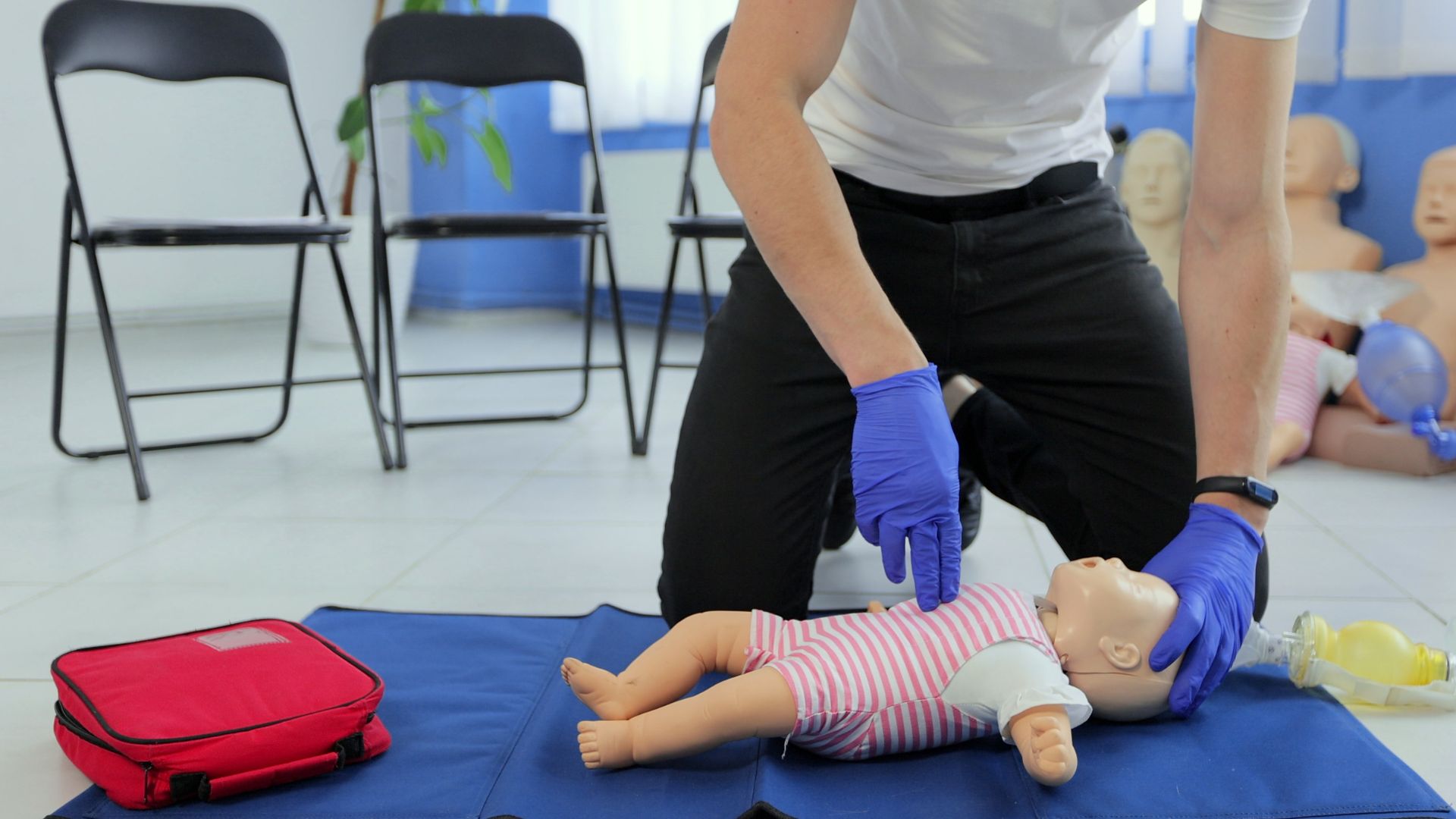
Medical emergencies can happen in any childcare environment, regardless of size or location. Because providers are often the first adults available to respond, preparation and confidence are essential. CPR training helps childcare professionals better understand emergency response procedures, improve preparedness, and strengthen their ability to remain calm during stressful situations. Many childcare emergency preparedness programs specifically recommend CPR and first aid training as core components of emergency readiness.
For childcare providers, these skills support broader efforts to create safe and supportive learning environments.
Creating Safer Childcare Environments in Irvine
Parents trust childcare providers with what matters most to them, their children. While no program can eliminate every risk, preparation can significantly improve how emergencies are handled when they occur. Developing written emergency plans, conducting drills, maintaining communication systems, training staff, and investing in a CPR Certification course all contribute to stronger emergency preparedness. By making safety a priority, Irvine childcare providers can create environments where children are protected, families feel confident, and staff members are prepared to respond when unexpected situations arise.
Frequently Asked Questions About Medical Emergency Preparedness for Childcare Providers in Irvine
Why is emergency preparedness important in childcare settings?
Young children rely on adults during emergencies, making preparation essential for protecting their health and safety. Written emergency plans and staff training help providers respond effectively.
What types of medical emergencies commonly occur in childcare programs?
Choking incidents, allergic reactions, asthma attacks, seizures, injuries, breathing difficulties, and sudden illnesses are among the most common concerns.
Should childcare programs conduct emergency drills?
Yes. Emergency preparedness organizations recommend regular drills to help staff and children become familiar with procedures and improve readiness.
Why is communication with parents important during emergencies?
Clear communication helps families receive timely information and supports coordinated response efforts during emergency situations.
What should be included in a childcare emergency plan?
Plans typically address medical emergencies, evacuations, shelter-in-place procedures, communication protocols, emergency contacts, and child reunification procedures.
How does CPR training help childcare providers?
CPR training supports emergency preparedness by helping providers develop confidence, improve awareness, and strengthen their ability to respond during medical emergencies.