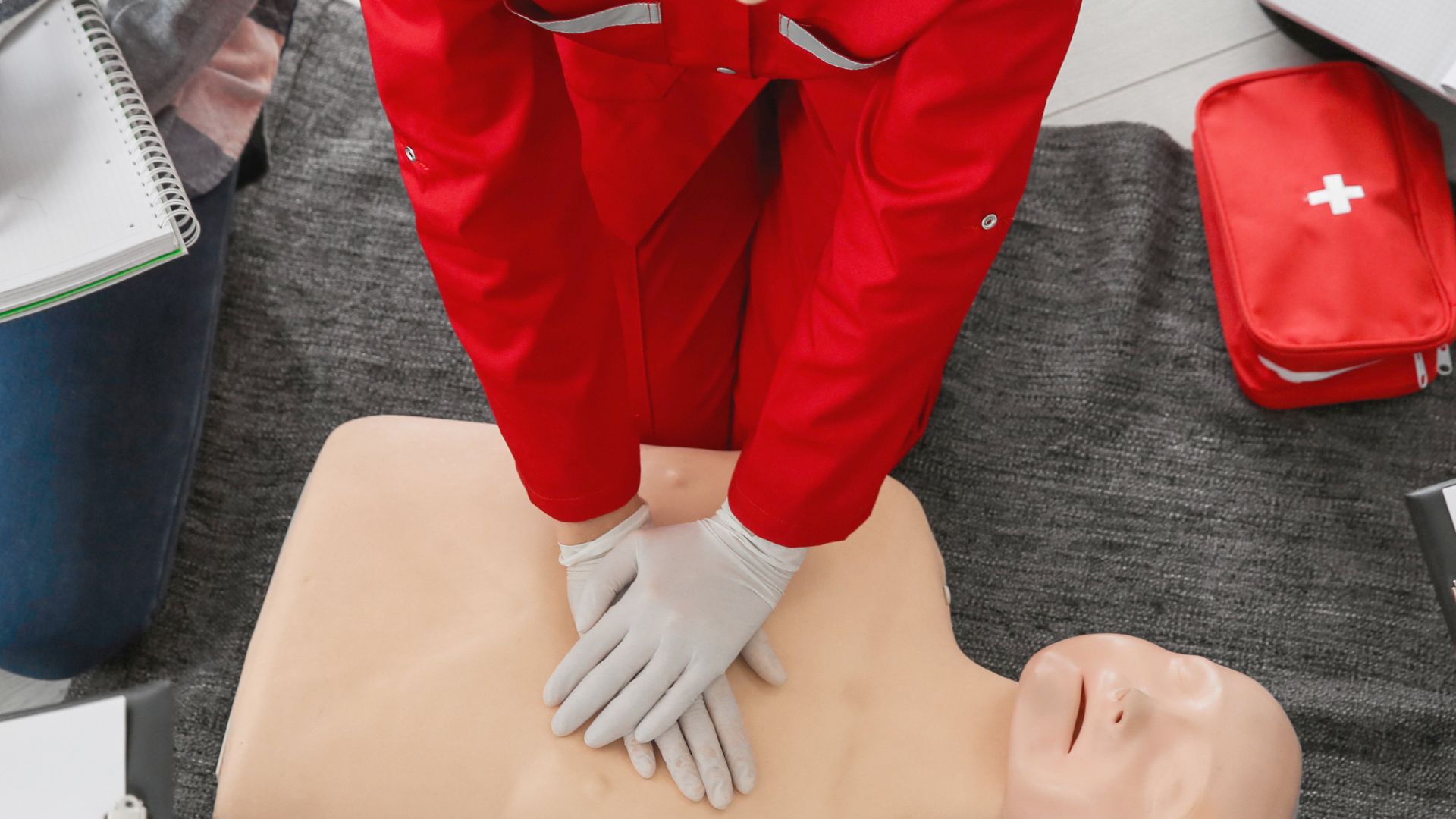
Whether you’re a healthcare professional, teacher, childcare provider, coach, fitness instructor, workplace safety officer, or simply someone who wants to be prepared for emergencies, maintaining current CPR training is an important responsibility. Many people complete a CPR class, receive their certification card, and then wonder when they need to renew it.
In Irvine, CPR certification is commonly required for a wide range of professions and organizations. Even when certification is not required by an employer, keeping your training current helps ensure that your skills remain fresh and that you stay prepared to respond during an emergency. Enrolling in a CPR Certification course every time your credentials are due for renewal helps maintain confidence, improve preparedness, and ensure that your training reflects current CPR guidelines and best practices.
Understanding how often CPR certification should be renewed can help you avoid lapses, stay compliant with workplace requirements, and remain ready to assist when seconds matter most.
How Long Does CPR Certification Last?
For most individuals, CPR certification is valid for two years from the date it is issued. This standard applies to many of the most widely recognized CPR training organizations in the United States, including programs offered through the American Heart Association (AHA) and the American Red Cross.
After the two-year certification period expires, individuals are generally required to complete a renewal or recertification course to maintain an active certification status.
Many people are surprised to learn that CPR certification has an expiration date at all. However, the two-year renewal cycle exists for an important reason: lifesaving skills can fade over time without practice and review.
Why CPR Certifications Expire
Unlike many educational achievements that remain valid indefinitely, CPR certification focuses on hands-on skills that require periodic reinforcement.
Emergency response organizations recognize that people can forget important details over time, especially if they do not regularly perform CPR in real-world situations. Studies and training organizations have found that skill retention naturally declines after initial training, making periodic renewal important for maintaining competence and confidence.
Renewal courses help participants review:
- CPR techniques
- AED use
- Choking response procedures
- Emergency scene assessment
- Changes in CPR guidelines
- Best practices for emergency response
By renewing regularly, participants can refresh critical skills and stay informed about any updates to recommended procedures.
Why Two Years Is the Standard
Most major CPR organizations have adopted a two-year certification cycle because it balances convenience with skill retention.
If certifications lasted significantly longer, there would be a greater risk that individuals might forget important procedures or fail to stay current with evolving emergency care recommendations.
The American Heart Association states that course completion cards remain valid for two years through the end of the month in which they were issued.
Similarly, many CPR, AED, and First Aid certifications issued through nationally recognized organizations follow a 24-month validity period before renewal is required.
This timeline helps ensure that certified individuals maintain familiarity with essential lifesaving skills.
Do Healthcare Professionals Renew CPR Certification More Often?
In most cases, healthcare providers also follow the standard two-year certification cycle.
Healthcare certifications such as Basic Life Support (BLS) are commonly valid for two years before renewal is required.
However, some employers may require additional training, skills assessments, or continuing education between certification periods.
Healthcare professionals who commonly maintain CPR-related certifications include:
- Nurses
- Physicians
- EMTs
- Paramedics
- Dental professionals
- Medical assistants
- Physical therapists
- Respiratory therapists
While certification validity remains similar, workplace policies may establish additional requirements depending on the role and organization.
Why Irvine Professionals Often Need Current CPR Certification
Irvine is home to a wide range of industries and employers that prioritize emergency preparedness.
Professionals who frequently maintain CPR certification include:
- Teachers
- Childcare providers
- Coaches
- Personal trainers
- Healthcare workers
- Lifeguards
- Camp counselors
- Security personnel
- Occupational safety professionals
Many employers require employees to maintain current certifications as a condition of employment or professional compliance.
Allowing certification to expire may affect job eligibility in certain fields.
For this reason, many Irvine professionals schedule renewal courses before their certification expiration date arrives.
What Happens If Your CPR Certification Expires?
Once a CPR certification expires, it is no longer considered current.
Depending on the training provider and workplace requirements, individuals may need to complete either a renewal course or a full certification course to regain active status.
Potential consequences of an expired certification may include:
- Loss of workplace compliance
- Delays in employment eligibility
- Additional training requirements
- Reduced confidence during emergencies
- Difficulty meeting professional requirements
Avoiding expiration is generally easier than allowing credentials to lapse and then trying to restore them later.
Why Renewal Courses Are Important
Some people assume that if they once learned CPR, they will remember it forever.
In reality, CPR skills involve both knowledge and physical performance. Chest compression depth, compression rate, AED procedures, and emergency response priorities all benefit from periodic review.
Renewal courses help participants:
- Practice hands-on skills
- Review emergency scenarios
- Refresh memory
- Reinforce confidence
- Learn updated recommendations
- Improve response readiness
Even individuals who have renewed multiple times often discover valuable reminders and refinements during recertification classes.
CPR Guidelines Continue to Evolve
One reason renewal remains important is that CPR recommendations occasionally change.
Organizations such as the American Heart Association regularly review new medical research and update emergency cardiovascular care guidelines based on scientific evidence.
As research evolves, training programs may update:
- Compression techniques
- Response priorities
- AED recommendations
- Team response procedures
- Pediatric care considerations
Renewing certification helps ensure that participants receive current information rather than relying on outdated techniques learned years earlier.
Confidence Matters During Emergencies
Knowledge alone is not always enough during a stressful emergency.
Confidence often plays a significant role in whether someone takes action when another person needs help.
Many people hesitate during emergencies because they are unsure of what to do.
Renewal training helps reinforce:
- Decision-making skills
- Emergency awareness
- Confidence under pressure
- Recognition of emergencies
- Communication with emergency responders
The more familiar individuals are with CPR procedures, the more likely they are to remain calm and focused during critical situations.
Why Parents Benefit From Staying Certified
Parents often pursue CPR training because they want to be prepared for emergencies involving their children.
While professional responders are available throughout Irvine and Orange County, emergencies can occur at:
- Home
- Parks
- Sporting events
- Swimming pools
- Schools
- Community gatherings
Maintaining current CPR certification helps parents stay prepared as their children grow and encounter new activities and environments.
Many families choose to renew their training every two years even when no workplace requirement exists.
Childcare Providers and Teachers Should Stay Current
Professionals who work with children often have strong incentives to maintain current certification.
Children may experience:
- Choking emergencies
- Allergic reactions
- Asthma attacks
- Injuries
- Medical emergencies
Because teachers, childcare providers, and youth program leaders are often the first adults present during these situations, staying current with CPR training helps support a safer environment for children.
Many educational and childcare organizations require regular recertification for this reason.
Coaches and Fitness Professionals Benefit From Renewal
Athletic programs and fitness facilities frequently encourage or require CPR certification.
Physical activity can occasionally lead to medical emergencies involving:
- Cardiac events
- Heat-related illnesses
- Breathing difficulties
- Allergic reactions
- Traumatic injuries
Coaches and fitness professionals who renew regularly maintain greater familiarity with emergency procedures and response priorities.
Preparedness contributes to safer recreational and athletic environments.
Why Workplace Safety Programs Emphasize CPR Training
Many employers include CPR certification as part of broader workplace safety initiatives.
Organizations recognize that emergencies can occur in:
- Offices
- Warehouses
- Manufacturing facilities
- Construction sites
- Retail stores
- Hospitality venues
Maintaining current certification supports workplace preparedness and helps create a culture of safety.
Employees who stay current with training often feel more comfortable responding when emergencies occur.
Scheduling Renewal Before Expiration
One of the best ways to maintain continuous certification is to schedule renewal training before your current card expires.
Benefits of renewing early include:
- Avoiding certification gaps
- Maintaining workplace compliance
- Preventing scheduling conflicts
- Reducing stress
- Ensuring uninterrupted credentials
Many training providers offer reminder systems that notify participants when renewal dates are approaching.
Planning ahead makes it easier to stay current without last-minute challenges.
Why Staying Current Matters
CPR is a skill that most people hope they never need to use. However, if an emergency occurs, having current training can make a meaningful difference.
Certification renewal is about more than maintaining a card. It is about preserving confidence, reinforcing knowledge, and ensuring readiness when someone needs help.
The skills learned through CPR training may one day be used to assist:
- Family members
- Friends
- Coworkers
- Clients
- Students
- Community members
- Strangers in public
Maintaining certification helps ensure those skills remain as effective as possible.
Why Regular CPR Renewal Is Important in Irvine
For most people, CPR certification should be renewed every two years to maintain an active credential and stay current with recommended emergency response practices. National organizations such as the American Heart Association and the American Red Cross use a two-year certification cycle because skills can fade over time and CPR guidelines occasionally evolve. Whether you are a healthcare professional, teacher, coach, childcare provider, workplace safety representative, or parent, renewing your CPR Certification helps ensure that your knowledge remains current and that you are prepared to respond confidently when an emergency occurs. Staying proactive about renewal helps maintain compliance, strengthen preparedness, and support safer communities throughout Irvine.
Frequently Asked Questions About CPR Certification Renewal in Irvine
How often do you need to renew CPR certification?
Most CPR certifications are valid for two years before renewal is required.
Does BLS certification expire after two years?
Yes. Most BLS certifications are valid for two years and require renewal to remain active.
Why do CPR certifications expire?
CPR skills can decline over time, and emergency response guidelines may be updated. Renewal helps maintain competency and familiarity with current recommendations.
What happens if my CPR certification expires?
An expired certification is no longer considered current. Depending on provider policies, you may need a renewal course or a full certification course to regain active status.
Should I renew before my certification expires?
Yes. Renewing before expiration helps avoid gaps in certification and maintains continuous compliance for workplace requirements.
Do parents need to renew CPR certification?
While it may not be required, many parents choose to renew every two years so they can maintain confidence and preparedness for emergencies involving children.